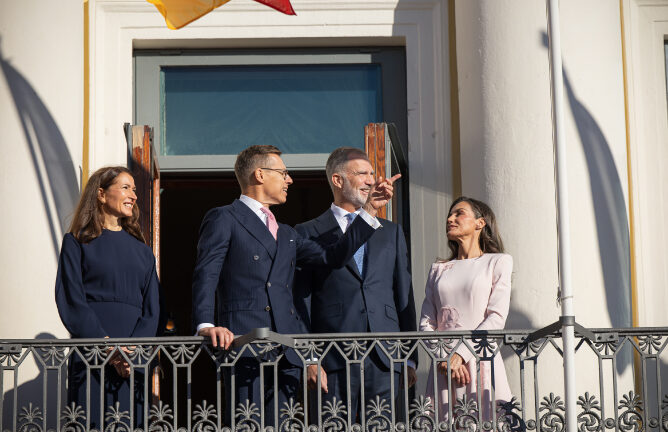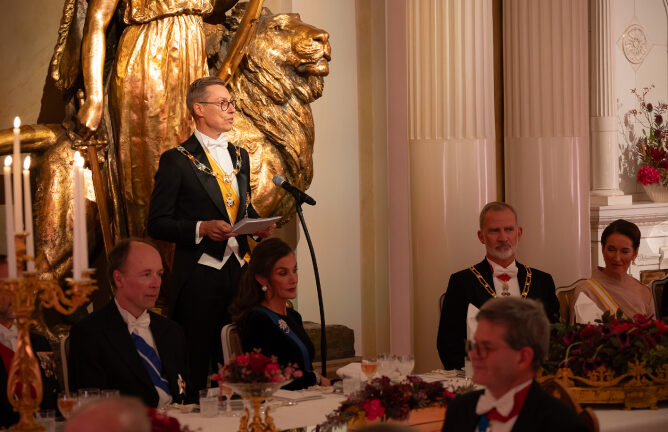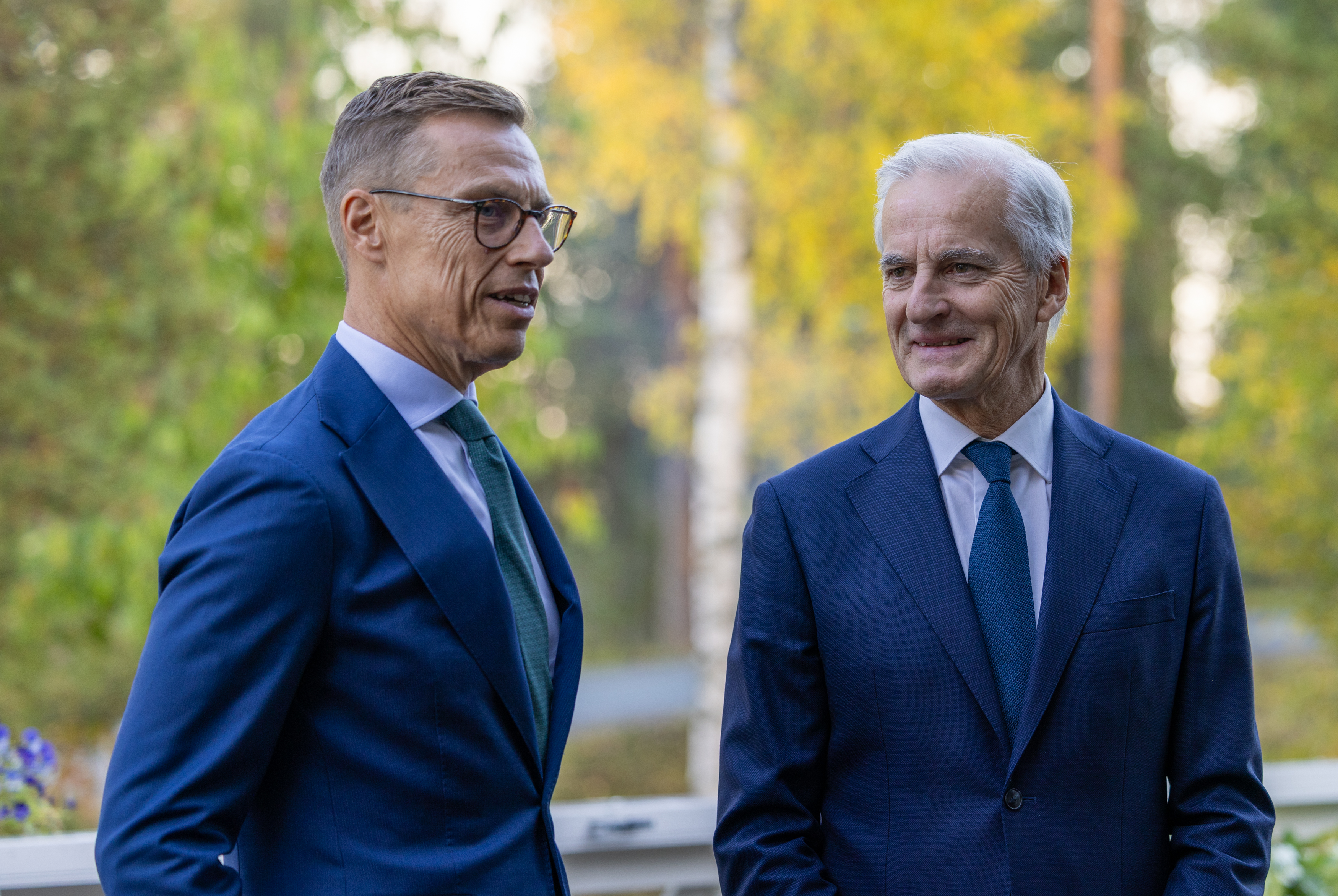
President of the Republic of Finland Alexander Stubb and Prime Minister of Norway Jonas Gahr Støre have launched an international call aimed at ensuring that frontier AI models remain under human control.
So far, 31 leaders from 29 countries across the world have joined the appeal. At the time of its launch, the appeal was supported by the leaders of Denmark, Iceland, Estonia, Latvia, the Netherlands, Ireland, the European Commission, Germany, Spain, Moldova, Türkiye, the United Arab Emirates, Bahrain, Kazakhstan, Singapore, Kenya, South Africa, Canada and Australia, in addition to the President and the Prime Minister of Finland and the Prime Minister of Norway. President Stubb and Prime Minister Støre call on other countries to join the appeal.
“AI represents one of the most profound technological changes humanity has ever experienced. It will affect science, economics, politics, security and what it means to be human. Humans should be in the driver’s seat in this shift. We have choices in how we respond to AI: we can compete, cooperate, or step back. The right choice is to cooperate”, President Stubb says.
“The development of frontier AI models must be brought under better control. AI is an extremely powerful technology with vast potential, but it may also pose a serious risk to safety and security. Addressing these risks requires political action. We are working closely with other countries and will actively promote this issue during the UN High-level Week”, says Prime Minister Jonas Gahr Støre.
In recent weeks, researchers, experts and the heads of the largest AI companies in the United States have warned about the direction of development within their own companies. According to the UN Secretary-General, uncontrolled AI is one of the three existential risks currently facing humanity, alongside the climate crisis and deepening inequalities.
The appeal calls on AI companies to develop transparent mechanisms to ensure that the development of AI does not pose a threat to humanity’s future. These should include, among other things, safety protocols, mandatory testing, and independent evaluation. Governments and regional organisations are encouraged to further develop and coordinate common standards and to strengthen transparency, including through the shared reporting of serious safety incidents.
“We encourage UN member states to take action to establish international institutions able to set standards, to enable verification, and to convene states when capability thresholds are crossed”, says president Stubb.
“AI is a very useful technology that can strengthen our economy, facilitate breakthroughs in research, enhance industry competitiveness and lead to better and more efficient public services. But the development of frontier AI models must take place at a pace that enables us to retain control”, stresses Prime Minister Støre.
Read the appeal here:
The number of participants was updated on 30 September 2026.